Fabric shavers and delicate surfaces
A fabric shaver cuts raised fibers and pills, so its suitability depends on the garment as well as the tool. Begin with a small, cautious trial and the manufacturer's instructions rather than treating every textured surface as removable lint.
Identify what is raised
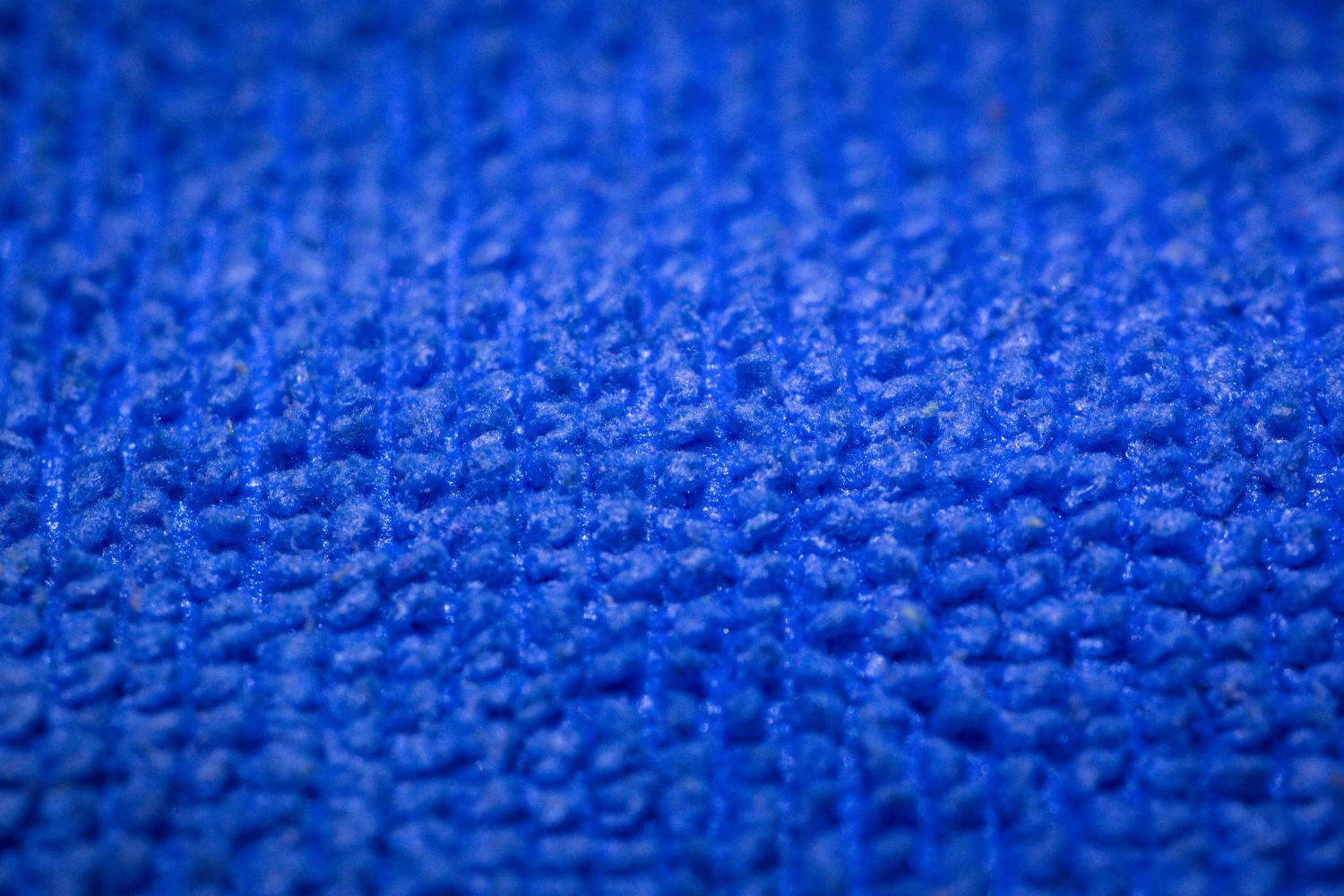
Look closely at the garment before switching on the shaver. Pills differ from loose threads, pulled loops, embroidery and intentional texture. Cutting the wrong raised feature can alter the fabric. Read the garment's care information and the shaver's exclusions. If the construction is delicate or unclear, seek garment-specific advice rather than experimenting on a visible area.
Philips' guidance for its GC026 model says to lay the garment flat and avoid zippers, buttons, loose threads and embroidery. Those instructions illustrate the importance of a controlled working surface. They should not be stretched into a claim that every garment is suitable or that every shaver has the same protective attachments.
Compare the protective features
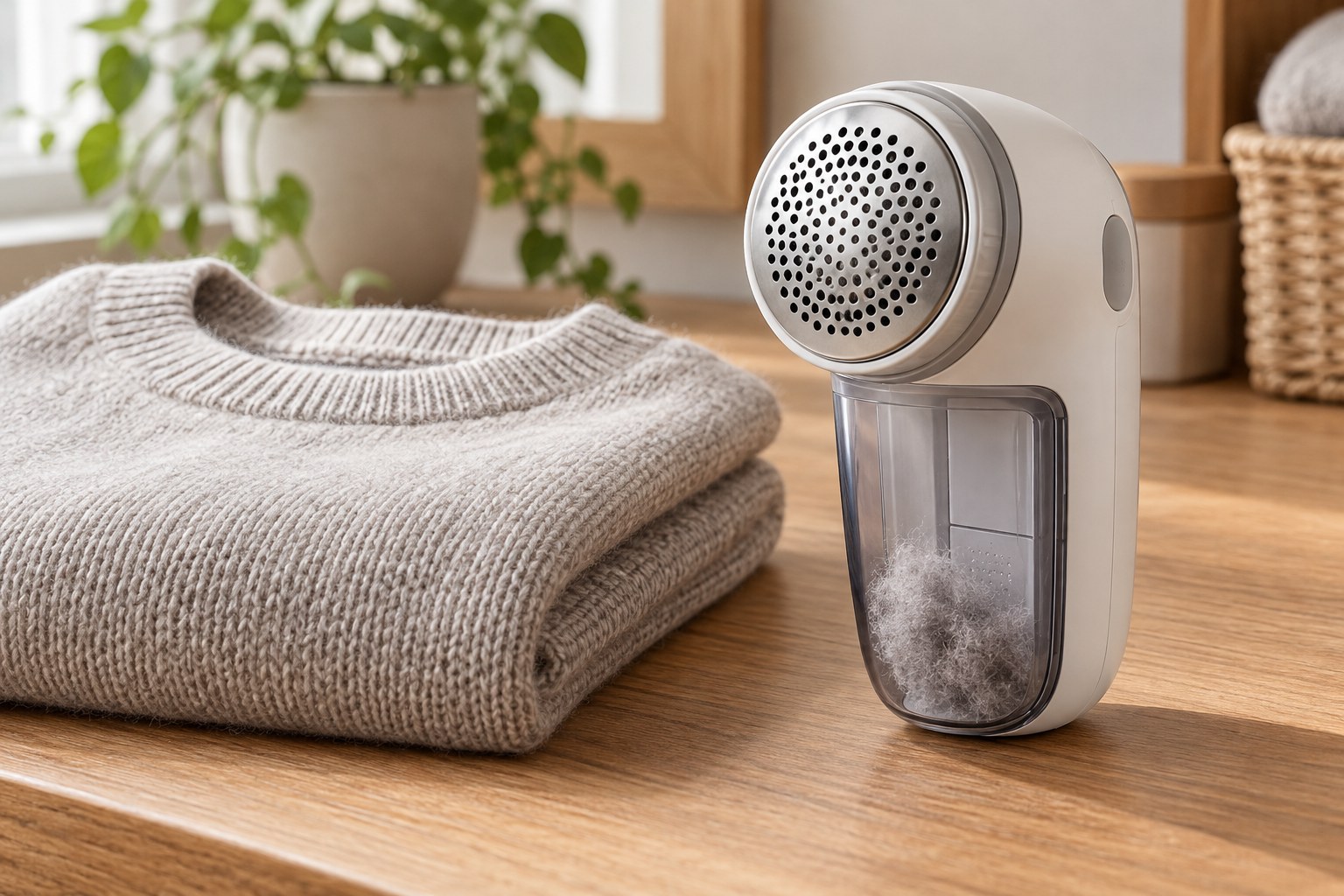
Check whether the model has a height guard and how it is fitted. Read which settings or attachments the manufacturer specifies for different uses. A guard can change the working distance, but it is not a guarantee against damage. Inspect the mesh or cover before use and do not operate a tool with damaged parts that the instructions require to be intact.
Look at the size of the head in relation to the garment. A large head covers broad areas but may be harder to control around seams. A smaller head offers a different handling tradeoff. Test the grip with the device switched off first, including how easily the power control can be reached without changing the hold.
Use a stable, supported surface
Lay the garment as instructed, smooth the area without stretching it excessively and keep folds out of the working path. Do not shave fabric while it is being worn. Start in a small inconspicuous suitable area using the permitted method. Check the result before extending the work, especially where the fabric changes thickness near a seam.
Use light controlled movement according to the tool's instructions rather than pressing harder to finish quickly. Stop when the surface looks appropriate; repeated passes should not become an attempt to remove the fabric's natural texture. Keep decorations and loose threads outside the route. If the tool catches or the result looks wrong, stop and reassess rather than continuing over the same spot.
Empty and clean without improvisation
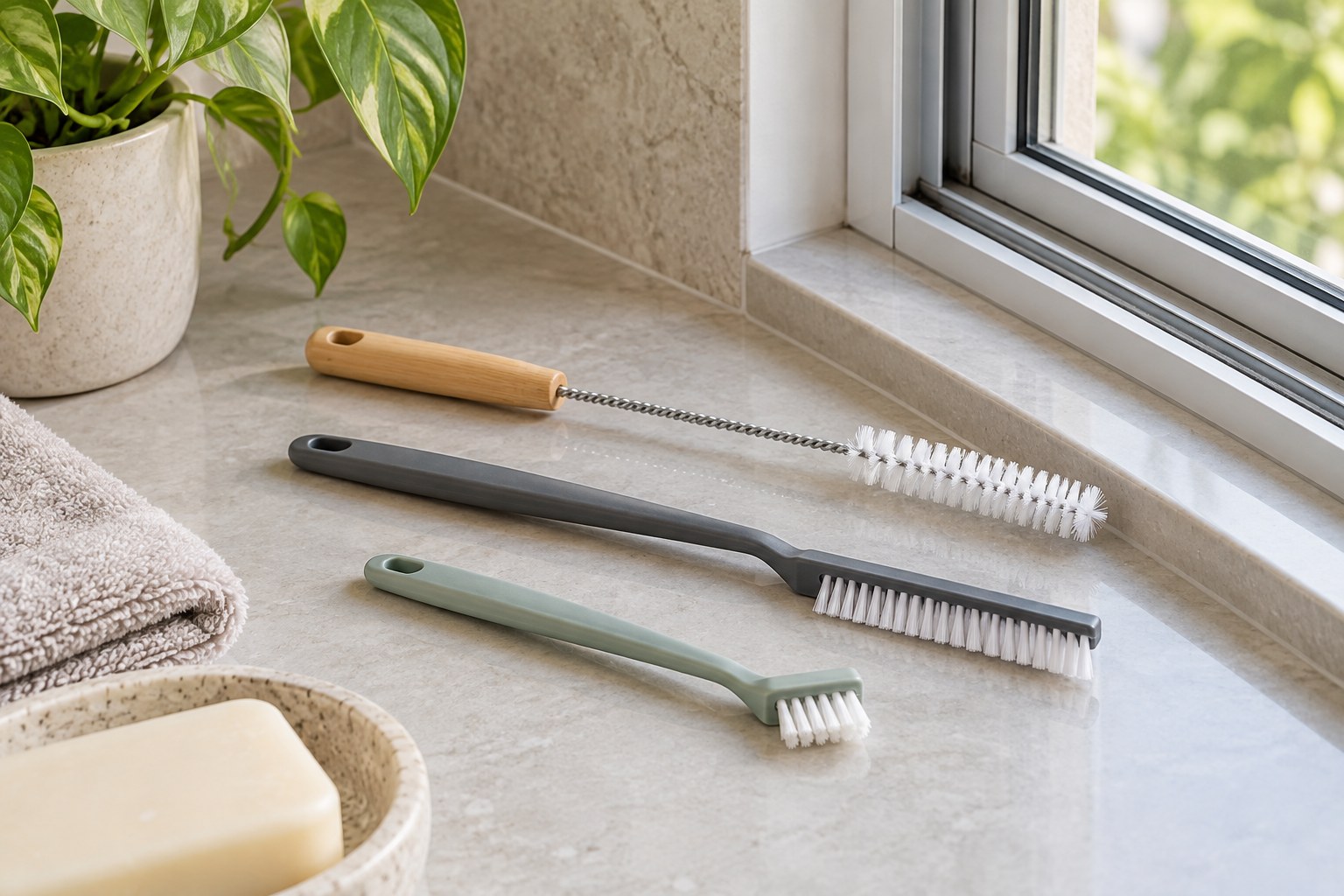
Read how to remove the collection container and clean the head safely. Switch off and disconnect or remove power as directed before maintenance. Use the supplied or approved cleaning tool and do not reach toward blades. A full container or clogged head should be handled through the documented procedure, not by shaking a running device.
Check whether replacement guards, covers or blades are available for the exact model. Store the tool with its protective parts in place and keep it away from children. A fabric shaver is useful for a defined maintenance task, but it should not be sold to yourself as a way to make worn fabric new. Preserving the garment's structure is more important than removing every visible irregularity.