Kitchen scales and bowl clearance
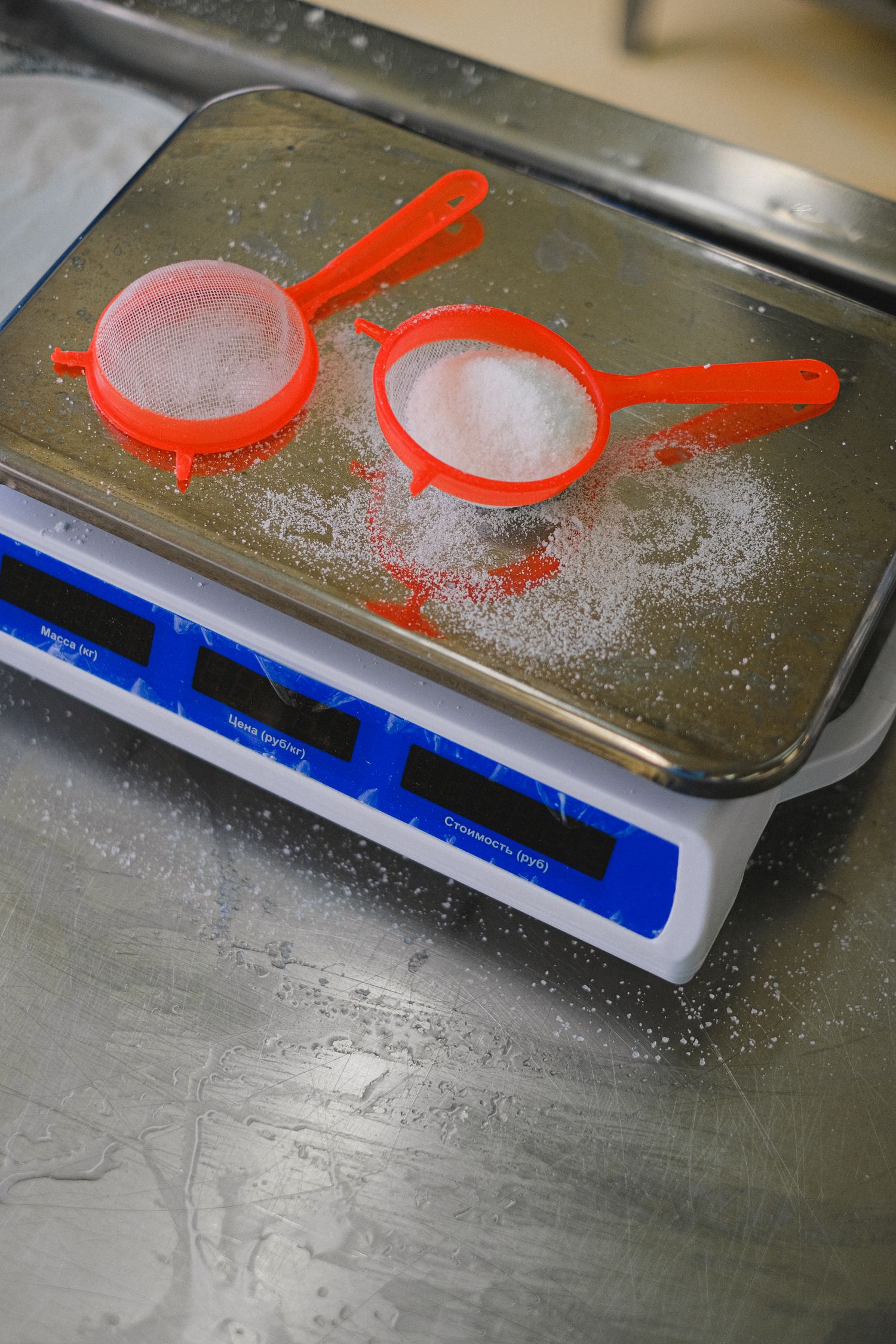
A kitchen scale can have a clear display until the mixing bowl sits on it. Choose the weighing area and display position together, then check the controls you will use while adding ingredients.
Test the bowl footprint
Measure the base of your usual bowl and its widest part. A broad rim can hide a display even when the base fits the platform. Compare the platform's height and the distance between its center and the controls. Some designs move the display away from the weighing area; others rely on enough clearance beneath the bowl. The useful question is whether you can read it without lifting the load.
The bowl must sit fully on the intended weighing platform without touching the counter or another object. A handle resting against a nearby container can interfere with the setup. Keep the scale on the stable level surface specified by its maker. Do not extend the platform with an improvised board unless the instructions explicitly support that arrangement.
Read capacity and increments separately
The maximum load includes the container as well as the ingredients. Check how the tare function works and remember that removing the displayed container weight does not physically remove its load from the scale. A large bowl can use part of the available capacity before any ingredients are added. Select a range appropriate to the heaviest ordinary recipe, not just the largest single ingredient.
Display increments describe the steps shown, but they should not be treated as a blanket promise of accuracy for every quantity. Read the maker's stated measurement range and limitations. Very small quantities may need a different tool from ordinary bowl-based weighing. Use the units requested by the recipe and check the selected unit before starting rather than assuming the scale remembers your last setting.
Controls should suit messy hands
Look at how tare and unit changes are operated. A single multi-function button may need a long press or a sequence that is awkward during cooking. Touch controls can be easy to wipe, but their operation should be clear with the bowl in place. Check the automatic shutoff behavior in the instructions, especially if you add ingredients slowly or pause to prepare another component.
If the display turns off, follow the product guidance rather than assuming the previous measurement is preserved. A written recipe note or weighing ingredients separately can prevent losing track of what has already been added. Choose a scale whose normal workflow matches the way you cook instead of compensating for an inconvenient timeout every time you use it.
Care, batteries and storage
Check whether the platform is removable and how the body should be cleaned. Wipe as directed and do not immerse an electronic scale unless the manufacturer specifically permits it. Keep liquid away from openings. Battery type, access and replacement method should be straightforward; follow the supplied instructions and keep loose batteries safely stored.
Store the scale without pressing continuously on its platform or controls. Keep its manual available for error messages, overload indications and any recommended checks. A suitable scale combines visible readings, enough capacity for the full bowl and controls that remain accessible throughout preparation. Those details matter more in daily use than a long feature list on the package.